 0
0
 0
0
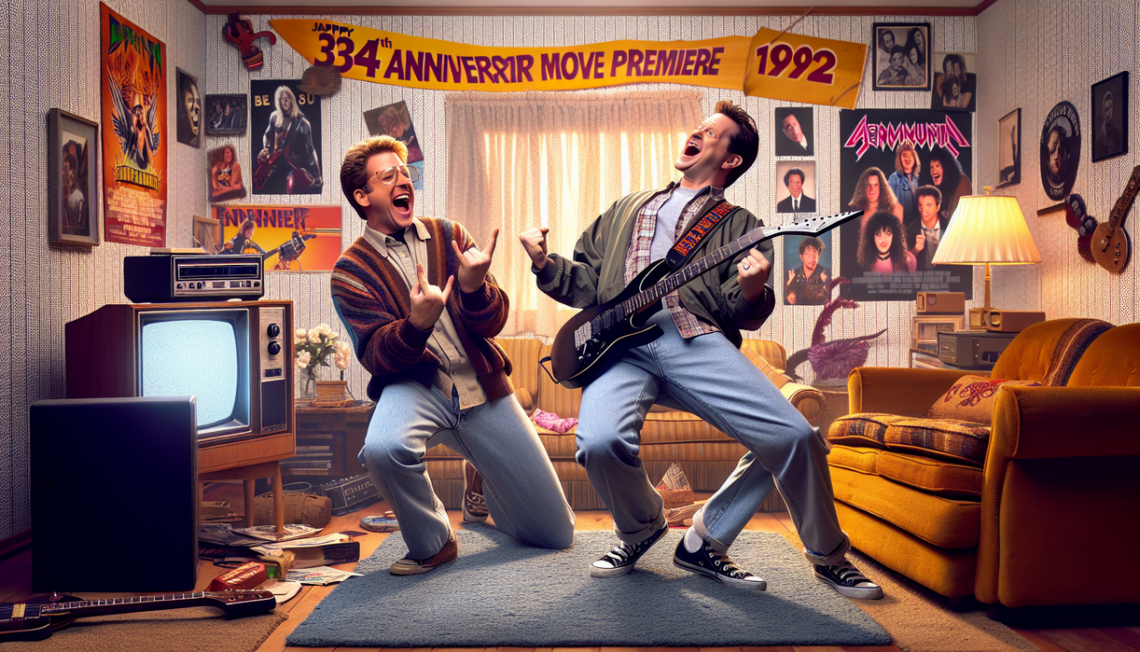
www.silkfaw.com – Wayne’s World arrived in cinemas at the start of 1992, but its echo still rattles through comedy more than three decades later. What began as a scrappy Saturday Night Live sketch exploded into a feature that reshaped how studios viewed sketch-based films, rock humor, and slacker storytelling. For many fans, Wayne’s World became a rite of passage, the movie you discovered on late-night cable or worn-out VHS and immediately quoted with friends at school or work the next day.
Looking back today, Wayne’s World feels both like a time capsule and a prophecy. It captured suburban basement culture, public-access TV, and rock nerd obsession right before the internet rewired everything. At the same time, its playful meta-humor, fake endings, and self-aware product placement forecast the tone of modern online comedy. Revisiting Wayne’s World now reveals how much current pop culture still lives in its shadow.
Wayne’s World: From Sketch To Cultural Earthquake
Before Wayne’s World conquered theater screens, it was just one of many sketches on Saturday Night Live. Mike Myers and Dana Carvey played two lovable metalheads broadcasting a homemade show from a basement in Aurora, Illinois. The sketch felt loose, casual, and weirdly sincere. Instead of punching down, Wayne and Garth invited viewers into their goofy world, where air guitar solos and top-ten lists mattered more than being cool in any traditional sense.
Hollywood rarely trusted sketch characters with an entire movie. Many previous attempts fizzled or turned manic, stretching a thin idea far past its breaking point. Wayne’s World broke that pattern through a simple but clever choice. The movie treated the characters’ friendships as real, not disposable. Beneath the catchphrases and jokes, there was a heartfelt core about loyalty, ambition, and staying true to your own ridiculous taste.
That sincerity helped Wayne’s World travel beyond SNL fans and metalheads. Audiences recognized the joy of hanging out with friends, joking about local weirdos, and dreaming big from small spaces. The film’s success pushed studios to gamble on other sketch-inspired projects, yet few matched this balance of silliness and emotional heft. Wayne’s World became the gold standard for turning short-form comedy into a feature-length story.
Why Wayne’s World Comedy Still Feels Fresh
Most early-nineties comedies show their age, yet Wayne’s World retains surprising energy. Many gags rely on character behavior instead of dated references. Wayne’s sincere excitement, Garth’s shy brilliance, and their shared enthusiasm for rock music drive much of the humor. Because the film laughs with its characters more than at them, newer viewers can still connect, even without deep knowledge of early-nineties culture.
Wayne’s World also embraced meta-comedy years before it became mainstream. Characters speak straight to the audience, joke about studio interference, and openly mock product placement with exaggerated shots of pizza boxes and branded gear. That winking style anticipates YouTube commentary videos, meme culture, and self-aware advertising we see everywhere today. In many ways, the film predicted how entertainment would blend content with commentary.
As someone who studies comedy trends, I see Wayne’s World as a hinge point between old-school sketch humor and modern internet sensibility. Its nonlinear bits, sudden fantasy sequences, and alternate endings feel similar to the humor language of TikTok edits and mashups. We live in a Wayne’s World universe now, where viewers understand that stories can pause for a goofy aside, then snap back without losing momentum.
Legacy, Influence, And A Reflective Farewell
When people remember Wayne’s World, they often picture the Bohemian Rhapsody car scene, Garth’s drum solo, or the catchphrases still quoted today. Yet its deeper legacy lies in how it legitimated the slacker viewpoint. It honored passion over polish, friendship over status, authenticity over corporate shine, even while joking about selling out. Many modern comedies, from indie mumblecore to big studio riffs, echo that spirit. For me, revisiting Wayne’s World feels like catching up with old friends who never grew out of what they loved, but learned to own it more proudly. The film reminds us that niche obsessions and small-town dreams can shape global culture. In a media landscape driven by algorithms and franchises, Wayne’s World still whispers a rebellious message: delight in your weird corner of the world, celebrate the music that moves you, and invite others to join the party—no shame, no apology, just honest joy.