 0
0
 0
0
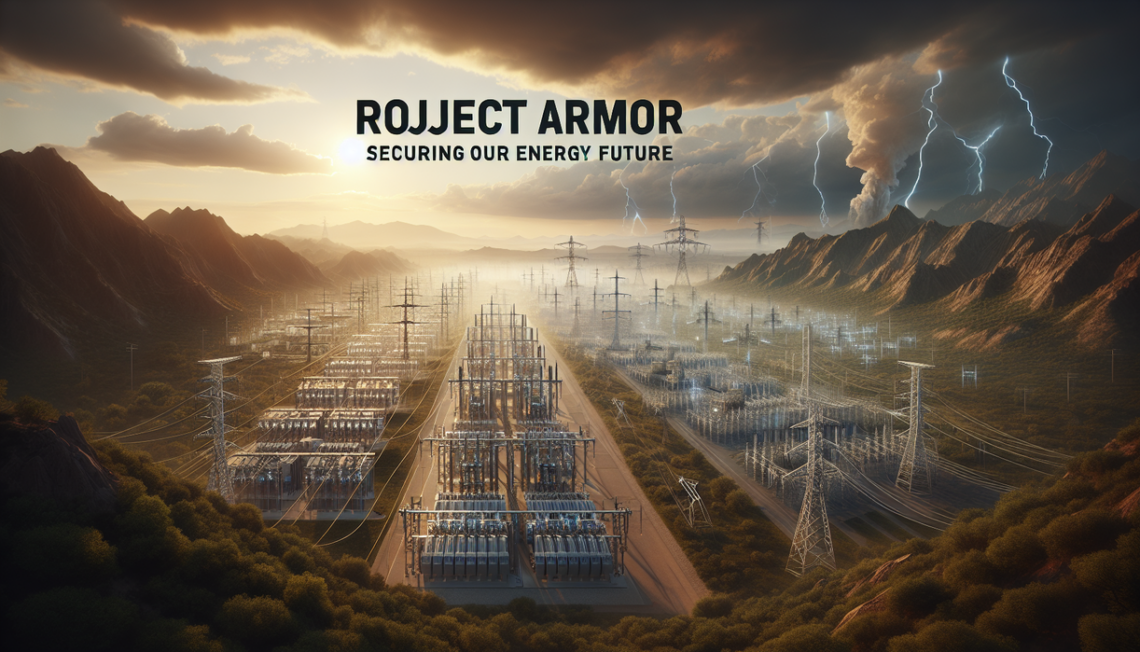
www.silkfaw.com – The U.S. Department of Energy has introduced a bold roadmap for protecting power systems, framed within a strategic content context that spotlights resilience, risk, and rapid response. Known as CESER’s Project Armor, this five-year effort targets critical energy infrastructure exposure to wildfires, storms, cyber threats, and other escalating hazards. Instead of treating each emergency as an isolated event, the initiative weaves these risks into a single narrative, helping utilities, communities, and policymakers see how every vulnerability connects to the broader national grid.
Viewed through this content context, energy security becomes more than keeping the lights on. It turns into a long-term commitment to reinforce transmission lines, modernize control systems, update emergency protocols, and anticipate new threats before they appear. This blog explores how Project Armor could reshape the safety of U.S. energy networks, why its design matters for climate adaptation, and where it might fall short if not matched by political will, funding, and local engagement.
Understanding Project Armor’s Strategic Content Context
Project Armor begins from a clear acknowledgment: energy infrastructure faces compound pressure from climate extremes, aging assets, and digital vulnerabilities. By building a specific content context around these interlocking risks, CESER shifts attention away from isolated disasters toward systemic patterns. Wildfires in one state, for instance, now link with winter storms elsewhere through shared grid stress, supply chain delays, and emergency response fatigue. That change in framing influences which projects gain priority, where money flows, and how regional partners coordinate.
Inside this content context, resilience moves from buzzword to concrete practice. It might involve burying distribution lines in high-risk fire corridors, expanding microgrids near hospitals, or redesigning substations to withstand both floods and heat waves. The five-year horizon encourages planners to think in phases: quick wins in the first two years, followed by deeper upgrades such as advanced sensors or automated shutdown systems. My perspective: the plan’s success depends on disciplined milestones, publicly tracked progress, and transparent criteria for which assets receive early protection.
A crucial feature of this energy security framework lies in its multi-hazard lens. Project Armor does not treat wildfires, hurricanes, and cyberattacks as separate silos. Instead, the content context highlights how a single event can trigger cascading failures. A wildfire might damage power lines, cut communications, and simultaneously weaken monitoring of digital intrusions. That integrated view supports smarter planning but also raises difficult questions about trade-offs. Limited budgets require leaders to decide where to tolerate higher risk. Honest communication with communities about those choices will determine whether the public trusts or resists the project’s priorities.
Wildfires, Hazards, and the New Risk Landscape
Wildfires stand at the center of Project Armor’s narrative because they combine environmental and infrastructure threats in dramatic ways. As heat waves lengthen and droughts intensify, fire seasons expand, creating more opportunities for sparks from power lines or damaged equipment. The content context for this initiative directly recognizes that an ignition in a remote valley can morph into a regional blackout. That recognition encourages preemptive action such as targeted shutoffs, vegetation management, or redesigned grid routes away from the most dangerous corridors.
However, wildfires form only one part of the hazard picture. Hurricanes, river floods, derechos, and polar vortex events have all demonstrated capacity to overwhelm grids. By situating these dangers within a shared content context, Project Armor can promote flexible strategies. For example, flood-resistant substations might also offer better performance under extreme heat when paired with upgraded cooling. Similarly, microgrids designed for fire-prone regions can double as backup power during coastal storms. The crucial insight here: resilience investments should serve multiple scenarios instead of one narrowly defined threat.
From my viewpoint, the strongest aspect of this new plan lies in that multi-use design philosophy. If every dollar creates benefits across several risk categories, public support becomes easier to sustain. Yet this also raises a policy challenge. Agencies often operate through separate funding streams aligned to specific hazards. Integrating budgets, metrics, and oversight into a unified content context demands cultural change inside government. Without that shift, Project Armor risks becoming a collection of disconnected pilot projects rather than a cohesive national shield for the energy system.
Technology, Communities, and the Path Forward
Technology alone will not deliver the future CESER envisions; the human side of this content context is just as significant. Advanced sensors, AI-driven fire prediction, and automated switches may reduce outages, but success depends on how communities understand and accept these tools. For example, preemptive power shutoffs can prevent catastrophic fires yet still disrupt medical devices, small businesses, and daily life. Project Armor must therefore cultivate strong local partnerships, clear public messaging, and feedback loops that reward transparency. My own assessment: if the initiative anchors its decisions in community experience, treats data as a shared resource, and keeps flexibility at its core, this five-year journey could redefine how a nation thinks about energy security, responsibility, and collective resilience.