 0
0
 0
0
www.silkfaw.com – Viewed in modern tech context, the idea of a carbureted pickup truck still for sale in the 1990s feels almost unreal. Fuel injection already dominated showrooms, computers crept into every control system, yet one sturdy workhorse clung to old-school hardware. To understand why, we need more than specs; we need context about culture, regulation, and the stubborn charm of mechanical simplicity.
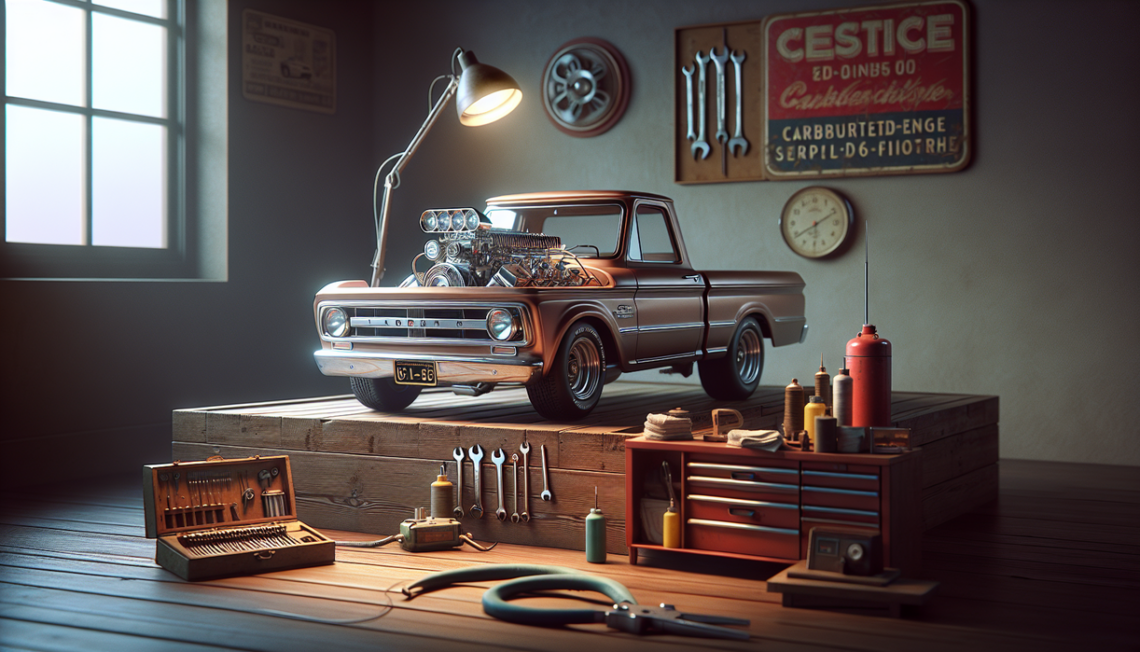
This story is not about a Ram or a Ford. America’s last carbureted pickup carried a different badge, often overlooked in current conversation. Place it in context with today’s hybrid trucks, turbocharged engines, and software updates over the air, and it reads like a time capsule on wheels. Still, that endurance says a lot about truck buyers, priorities, and trust in technology.
Carburetors In Context: A Vanishing Breed
To see why a carbureted pickup survived into the 1990s, we must set the historical context. Carburetors once ruled every Main Street, mixing fuel and air with no sensors or microchips. Through the 1960s and 1970s, that simple hardware defined American motoring. Pop the hood, twist a few screws, and you could tune the heart of your machine right at home.
Emissions rules, fuel crises, and rising expectations slowly altered that context. By the 1980s, engineers experimented with electronic controls, oxygen sensors, and catalytic converters. Fuel injection promised cleaner exhaust, better cold starts, and improved drivability at altitude. In that evolving context, carburetors began to look like typewriters in a world already flirting with personal computers.
Yet not every buyer welcomed this shift, especially in truck country. Work truck owners cared about reliability, easy repairs, and predictable behavior in rough conditions. In that context, a carbureted engine felt honest and understandable. The last carbureted pickup stayed alive by serving those needs long after most sedans had gone digital.
Not A Ram Or A Ford: The Quiet Holdout
When conversations turn to classic American pickups, Ford and Ram usually dominate. However, context reveals a different survivor at the carbureted frontier. A smaller player kept bolting mechanical mixers onto its engines even as rivals moved on. That final carbureted pickup represented a strategy rooted in cost control and consistency for budget-minded buyers.
This late holdout thrived in a context where fleets, farmers, and small businesses valued known quantities. Fuel injection required fresh training, new diagnostic tools, and more complex wiring. A carburetor, by contrast, could be rebuilt on a workbench with hand tools and a simple kit. For owners far from dealerships or scan tools, that difference mattered.
From my perspective, this decision also mirrored broader cultural hesitation about new tech. In an era already wrestling with VCRs, early computers, and electronic dashboards, mechanical fuel delivery offered comfort. The truck fit the context of people who preferred to turn wrenches rather than navigate service screens. It was less about nostalgia, more about control.
Context Shapes Innovation, Not Just Nostalgia
Placing this last carbureted pickup in context with today’s trucks reveals a pattern: innovation rarely wipes out older tech overnight. Instead, changes move through layers of cost, trust, and real-world needs. My own reading of this history is that carburetors survived not because they were superior, but because they matched the context of specific owners at a specific moment. Their farewell tour into the 1990s reminds us that every new feature, from direct injection to over-the-air updates, must earn trust in the messy, human context of budgets, habits, and lived experience. That is a useful lens whenever we judge older machines from the comfort of modern technology.