 0
0
 0
0
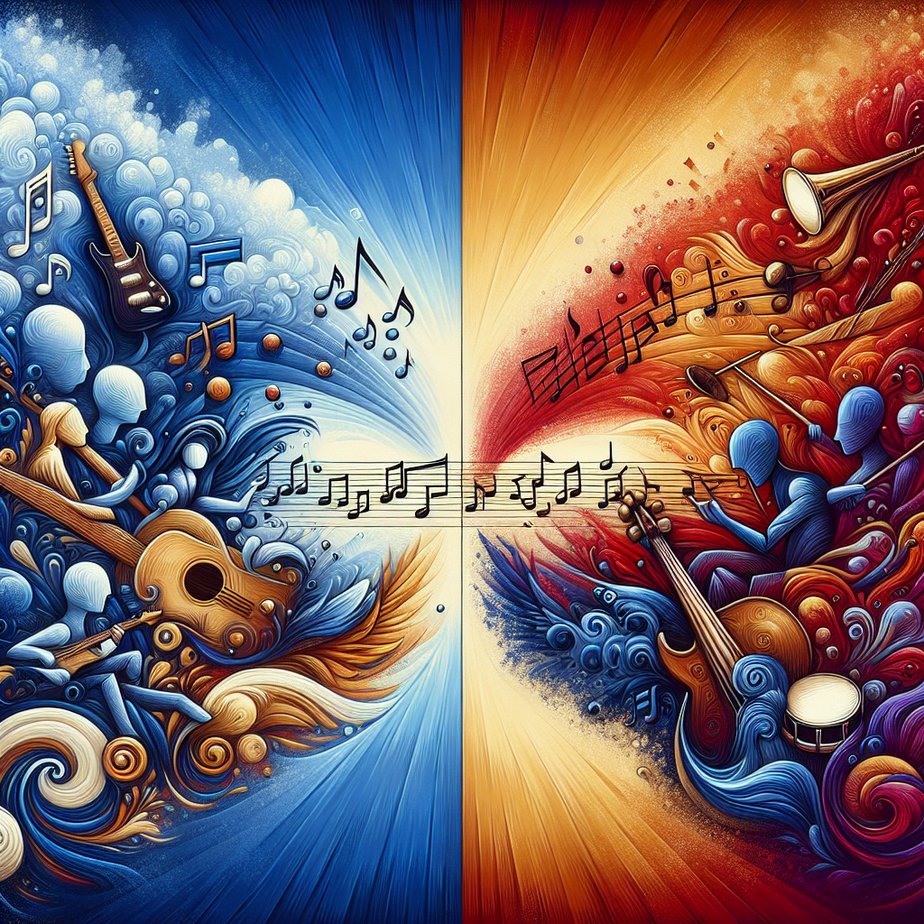
www.silkfaw.com – In recent times, the harmonious world of music has found itself amidst discord as competing interests have clashed more fiercely than ever. The ‘Music Fight’, as it is being dubbed, pivots on several pressing issues that concern musicians, platforms, and listeners alike. Whether it’s the ongoing debate about fair streaming payouts or the fight for artistic freedom, these stories are integral for anyone invested in the future of music.
One of the most contentious issues at the heart of this music dispute is the matter of fair compensation for artists in the age of digital streaming. With the surge in popularity of platforms like Spotify and Apple Music, musicians are demanding fairer revenue shares. Artists argue that their creative outputs are undervalued, and that the revenue model skews too heavily in favor of the streaming giants at their expense.
Conversely, streaming services defend their financial models, citing high operational costs and the need to maintain competitive pricing for subscribers. They argue that these are necessary to sustain the industry and encourage user engagement. Nevertheless, the standoff between artists and platforms continues to gain traction, gathering public attention and stirring debates over what the future of music economics should look like.
But it’s not just about dollars and cents. The ‘Music Fight’ also circles around the artistic integrity and creative control that artists are keen to maintain. With the internet democratizing music distribution, there has never been a better time for independent artists to share their voices. However, this comes with its own set of challenges as artists navigate the pressures of maintaining originality while also chasing algorithms and trends to boost their visibility.
These unfolding stories reveal a complex layer of dynamics within the music industry, underscoring a need for constructive dialogue between all stakeholders. It’s crucial to understand that this isn’t merely a passing conflict but rather an evolution of how art is created, distributed, and consumed in the digital age.
The Stakes for Artists
For individual artists, this fight represents a critical juncture in their careers. The right to receive appropriate compensation for their work is fundamental, but equally important is their ability to retain creative control. Artists want to ensure that their music is not just heard but also valued and respected.
Emerging musicians often face the dilemma of compromising artistic integrity for commercial success. This adds an additional layer of complexity as artists seek to make a lasting impact while staying true to their unique sound. As the industry evolves, the empowerment of artists becomes a pivotal conversation in shaping music’s future.
The Listener’s Role
While artists and platforms are visibly at odds, the listeners hold more power than many realize. Consumers drive demand and ultimately shape the success of different business models. Listener support for fair artist compensation could pave the way for change by pushing for more equitable pay structures.
Listeners can also engage by exploring diverse and independent music. This supports not only the discovery of new talent but sends a clear message that success does not solely rest on the established hierarchies. By diversifying playlists and supporting independent platforms, listeners contribute to a more balanced music ecosystem.
In conclusion, the ongoing ‘Music Fight’ is emblematic of broader shifts within the music industry. It challenges us all—artists, platforms, and listeners—to rethink relationships and roles in this ever-expanding digital landscape. As we navigate this new era, maintaining open dialogues and seeking equitable solutions will be key to ensuring music continues to flourish as an expression of human creativity and connection.