 0
0
 0
0
www.silkfaw.com – The honda insight name is coming back, but not as the hybrid icon many remember. This time, Honda is reviving the badge for a compact electric vehicle sourced from China, aimed squarely at its home market in Japan. The move signals how quickly the EV landscape is shifting, even for a company once defined by its in-house engineering purity.
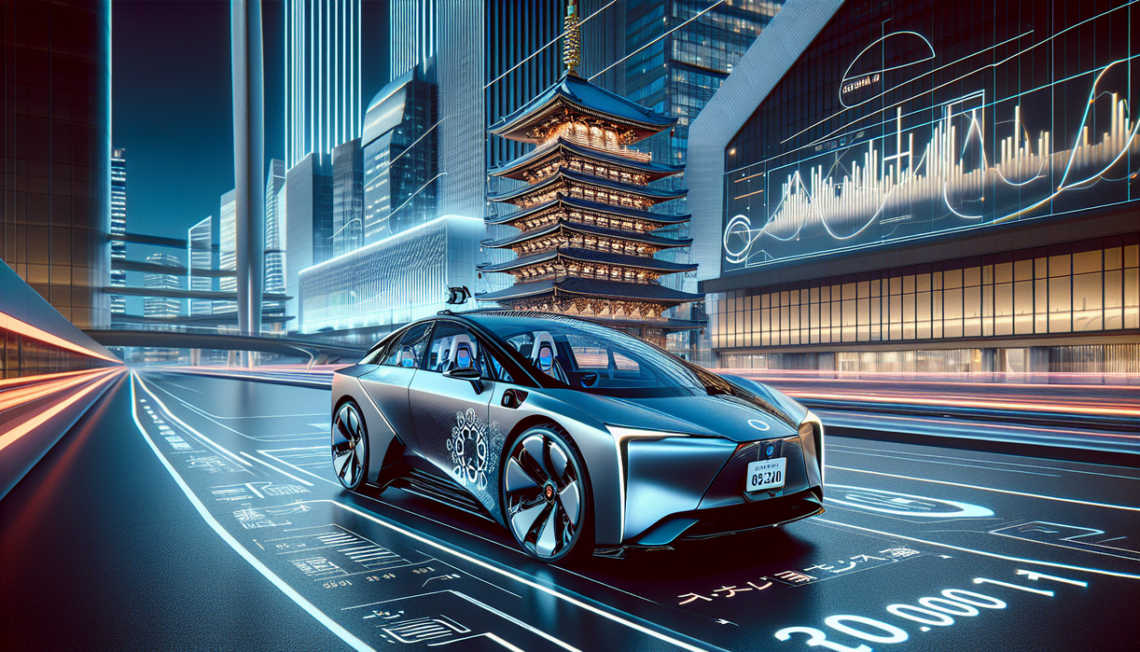
Instead of a groundbreaking hybrid, the modern honda insight will be a rebadged Chinese EV built on a local electric platform. Honda plans to sell just 3,000 units, a modest target that suggests a cautious experiment rather than an all-out offensive. Yet this small step reveals a much larger story about strategy, identity, and the future of Japanese carmakers.
A New Honda Insight for a New Era
The original honda insight made headlines as an ultra-efficient hybrid with futuristic styling. It represented Honda’s ambition to lead in eco-friendly technology using its own solutions. The new generation carrying the same badge takes a very different route by relying on a Chinese EV platform instead of internal innovation. That contrast tells us a lot about where the industry stands today.
By importing a ready-made electric architecture from China, Honda cuts development time and costs. Engineers can focus on tuning, safety integration, and user experience rather than designing every component from scratch. For a brand juggling tight profit margins and strict emissions targets, this approach provides a fast track into competitive EV territory without massive risk.
Still, attaching the honda insight name to a rebadged product is a bold branding decision. Fans associate the badge with clever engineering and fuel-sipping performance. Now it becomes a symbol of adaptation, collaboration, and global sourcing. Whether loyal customers accept this shift will influence how far Honda can lean on external partners for future electric models.
Why Honda Is Turning to Chinese EV Platforms
China has quietly become the nerve center of affordable EV development. Local manufacturers refine batteries, software, and compact platforms at a breathtaking pace. Honda’s decision to base the latest honda insight on a Chinese template reflects respect for that progress. Instead of reinventing each component, it taps into an ecosystem optimized for rapid iteration and cost efficiency.
Battery technology especially benefits from Chinese specialization. Suppliers there offer cells with competitive energy density at attractive prices, a critical factor for an entry-level EV in Japan. Using such components allows Honda to keep the honda insight’s price realistic while still offering acceptable range and performance. This balance matters in a market where EVs must win over drivers who are still cautious about charging and cost.
There is also a strategic layer. By experimenting with limited volume—only about 3,000 units—Honda can test consumer reaction without heavy exposure. This pilot helps the company gather data on urban usage, charging habits, and brand perception. If the honda insight EV resonates, Honda can either deepen cooperation with Chinese partners or gradually shift successful features to future in-house platforms.
What This Means for Honda’s Identity
For a brand long praised for independent engineering, outsourcing the core of the new honda insight challenges traditional expectations. Some purists may see this as a step away from Honda’s soul. From my perspective, it feels more like a strategic evolution. Global competition in EVs is fierce, and clinging to old methods would be risky. By blending Chinese hardware with Honda’s tuning, safety standards, and design cues, the company explores a hybrid identity: part innovator, part curator. If executed with transparency and consistent quality, this approach can keep the honda insight badge relevant in a world where collaboration often beats solitary genius.
Positioning the Insight EV in Japan
Launching the new honda insight as a low-volume model in Japan signals a carefully measured plan. The local EV market is growing, although not as rapidly as in China or parts of Europe. Many Japanese drivers still value compact hybrids and efficient gasoline engines. This context makes an aggressive EV rollout risky, which explains the restrained target of 3,000 units.
The honda insight EV will likely appeal most to early adopters who already trust the brand yet want to step into full electric mobility. For them, Honda’s safety record, dealer support, and resale reputation still matter. Even if the underlying platform comes from China, the ownership experience is framed by Japanese service standards. That combination may soften concerns over origin for many customers.
Pricing strategy will be critical. If Honda positions the honda insight slightly above comparable hybrids but below premium EVs, it can occupy a niche: a recognizable badge with electric power at a reachable cost. Incentives, charging support, and clear communication about battery durability will influence how quickly those 3,000 units leave showrooms.
Balancing Heritage with Practical Reality
Reviving the honda insight name taps into nostalgia, yet nostalgia alone cannot carry an EV in today’s market. The original model was a technology showcase that turned heads for being both strange and smart. By contrast, this new iteration emphasizes practicality over spectacle. It may look more conventional, with fewer radical design elements and a stronger focus on daily usability.
From a branding perspective, Honda must walk a fine line. The company cannot pretend the honda insight EV is a pure in-house creation, especially as informed buyers learn more about Chinese platforms. Instead, the narrative should highlight how Honda refines, localizes, and improves an existing base to meet Japanese standards. Honesty here builds trust, while attempts to hide the partnership could backfire.
As someone who has followed the evolution of the honda insight across generations, I see this move less as a betrayal and more as a reflection of current pressures. Emissions rules, energy costs, and tech competition leave little room for vanity projects. If collaboration helps keep the badge alive in an electric era, there is value in that survival, provided Honda maintains rigorous oversight of quality and safety.
The 3,000-Unit Strategy as a Real-World Experiment
The limited production run turns the latest honda insight into a rolling experiment. Honda can monitor how buyers feel about charging infrastructure, real-world range, and Chinese-sourced components under a familiar emblem. Feedback from these first 3,000 owners will shape future EVs, whether built on foreign platforms or new Honda architectures. This cautious yet intentional step illustrates a wider trend: automakers no longer have the luxury of slow, isolated development cycles. They must learn in public, refine quickly, and accept that even a storied name like honda insight can become a test bed for the next chapter of electric mobility. In that sense, this car is more than a product; it is a reflection of an industry rethinking what authenticity means in a connected, collaborative world.
Looking Ahead: Insight into Honda’s Future
The reborn honda insight offers a valuable glimpse into Honda’s long-term roadmap. If the model succeeds, we can expect more EVs informed by this collaborative formula, possibly spanning crossovers, compact vans, or urban-focused runabouts. Each would build on lessons from this first step, with refinements to software, charging support, and cabin technology.
On the other hand, if reception is lukewarm, Honda will still gain crucial insights—pun fully intended. The company can identify what held buyers back, be it price, range, origin, or design. That knowledge will influence whether Honda invests heavily in its own dedicated EV platform for Japan or continues to mix external hardware with internal expertise. Either outcome helps clarify the future direction.
For enthusiasts, the new honda insight may never carry the same mystique as the original hybrid coupe. Yet it embodies a different type of innovation: strategic flexibility. In a decade defined by rapid change, the ability to pivot might matter more than perfection on the first try. As this modest run of 3,000 cars takes to Japanese streets, they serve as moving questions rather than final answers, prompting us to reflect on how legacy brands adapt when the very rules of the game are rewritten.
My Take: Pragmatism Over Purism
From my perspective, Honda’s choice to revive the honda insight through a Chinese-based EV is a pragmatic move, not a surrender. Purists may prefer a ground-up Honda-only platform, yet that path is slower and far more expensive. The reality is that consumer expectations evolve faster than traditional development cycles can handle. Strategic alliances allow brands to stay present in key segments while they quietly build deeper capabilities behind the scenes.
Critically, this does not mean quality must suffer. Honda’s reputation in Japan depends on consistent reliability and safety. If the company applies the same strict validation processes to the honda insight EV that it does to its conventional models, most drivers will focus on daily experience, not supply chains. Smooth acceleration, intuitive controls, stable range, and solid after-sales support matter far more than the passport of the platform.
I also appreciate the honesty of the 3,000-unit target. It acknowledges that this is a measured test rather than a loud declaration of superiority. That humility feels appropriate in a moment when no one has fully solved the EV puzzle. The honda insight today is less a final statement and more a thoughtful question about how a Japanese brand can bridge its past with an electrified future.
A Reflective Closing Thought
As the new honda insight quietly enters Japanese roads, it carries both heritage and uncertainty in its compact frame. It stands at the intersection of nostalgia, economic reality, and global collaboration. Whether this experiment becomes a footnote or a turning point, it forces us to reconsider what makes a car truly authentic. Is it the origin of its platform, the logo on its nose, or the way it fits into everyday life? My sense is that the answer lies somewhere between those points. The honda insight EV may not mirror the visionary ideal of its ancestors, yet it reflects a more complicated truth about modern mobility—one where adaptation, partnership, and reflection are just as vital as groundbreaking technology.