 0
0
 0
0
www.silkfaw.com – When a family-friendly electric SUV matches a Toyota Supra’s sprint to 60 mph, united states news editors pay close attention. The Toyota bZ4X Woodland Edition has shocked test crews by posting acceleration numbers that belong to a classic sports coupe, not a weekend camping shuttle packed with kids and gear.
This unexpected result raises an intriguing question for united states news followers: has the performance gap between practical crossovers and sports cars finally closed, or are test numbers hiding a more complex story about feel, feedback, and driving pleasure? The answer reveals a lot about where modern EVs are headed.
How the Toyota bZ Woodland Stole the Headlines
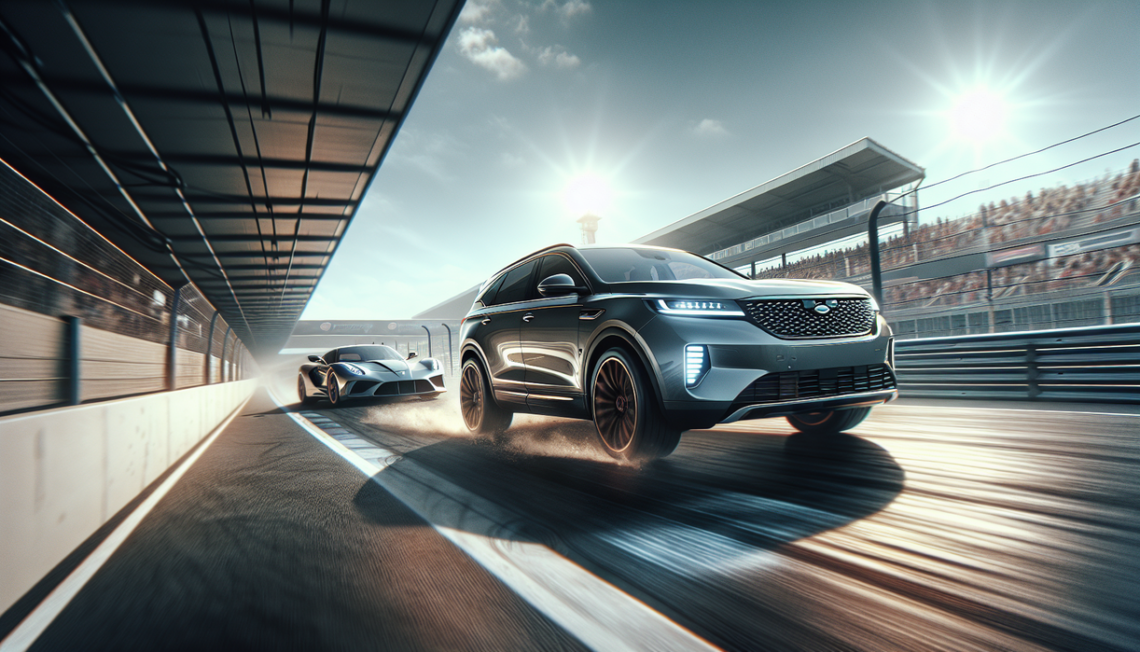
The bZ4X Woodland Edition entered test labs as an eco-conscious family SUV with rugged styling cues. It left as a headline-grabber, thanks to a 0–60 mph time that sits shoulder to shoulder with certain Toyota Supra configurations. For a vehicle built to handle grocery runs, school drop-offs, and light trails, that performance stands out.
This contrast fascinates many united states news readers. For decades, the Supra badge signaled pure performance intent, while a high-riding crossover represented compromise. Now, raw numbers show an overlap. The bZ’s instant electric torque creates a launch off the line that feels effortless, even if the soundtrack remains nearly silent compared with a revving sports engine.
Yet numbers alone do not define a driving experience. Matching a Supra’s stopwatch time does not turn the bZ Woodland into a track monster. It remains a tall, relatively heavy EV, tuned for comfort, efficiency, and safety. The magic lies in how modern electric platforms narrow measurable gaps, while character and emotion still separate breeds of vehicles.
Why Acceleration Numbers Don’t Tell the Whole Story
On paper, united states news segments love listing 0–60 results, quarter-mile times, and top speeds. Those figures are clear, comparable, and easy to quote. Still, driving enthusiasts know that performance is more nuanced. A Supra feels alive through a low driving position, rear-wheel-drive balance, direct steering, and a chassis that encourages playful rotation when pushed.
The bZ Woodland offers a very different narrative. Its raised stance gives drivers confidence in traffic and on poor roads. All-wheel drive aims at stability rather than drift angles. Steering feedback suits commuters instead of autocross addicts. So even if the EV bolts to 60 mph in similar time, every moment of that run carries another flavor, closer to a refined commuter than a rowdy weekend toy.
As an observer, I see this as a reminder that performance numbers should open a conversation rather than close it. They reveal how far family-focused models have evolved, but they do not erase the Supra’s identity. Instead, they highlight that everyday drivers now access thrills once reserved for niche sports cars, right from their driveway.
What This Means for the Future of Everyday EVs
Looking ahead, this story points to an exciting shift for united states news coverage of EVs. As technology matures, we will see more crossovers match or beat respected sports cars in basic metrics, while remaining quiet, efficient, and practical. The real challenge for automakers rests not only in chasing faster times, but also in crafting vehicles with distinct personalities. The Supra will keep thrilling purists who crave tactile feedback and classic sports car drama, while models like the bZ Woodland will attract families who want a taste of speed without sacrificing usefulness. In that balance, today’s surprising test result becomes more than a statistic; it becomes a reflection on how progress reshapes expectations, reshapes our sense of fun, and invites us to question what kind of driver we want to be.