 0
0
 0
0
www.silkfaw.com – Fortnite just took a bold leap forward by letting creators design ai-powered npcs that players can actually talk to in real time. Instead of static dialogue wheels or canned voice lines, these digital characters can now hold freeform conversations, respond to persuasion, and even decide whether to unlock hidden events or restricted zones based on your words.
This experimental upgrade reshapes how stories and missions can unfold on the island. Ai-powered npcs are no longer background extras; they’re becoming dynamic actors inside Fortnite’s player-made worlds. For creators, that means deeper narrative tools. For players, it promises adventures where your voice, choices, and curiosity might matter more than your aim.
What Makes Ai-Powered NPCs a Big Deal?
For years, Fortnite’s Creative mode focused on building spaces, not minds. Now ai-powered npcs introduce something new: conversations that feel unscripted. Instead of pressing a button to select one of three preset answers, you can speak or type naturally, then watch the character react. This transforms quests from linear checklists into flexible encounters, where wording, tone, and timing influence what happens next.
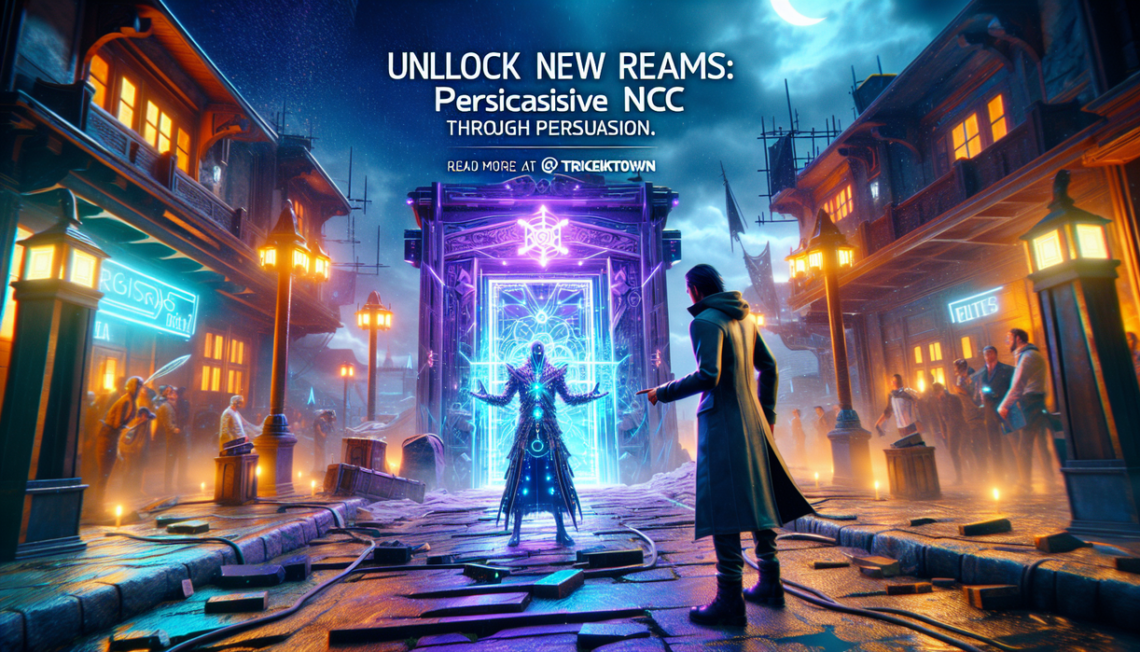
Imagine sneaking into a high-security base guarded by an ai-powered npc who controls the gate. Instead of hunting for a key card, you might bluff, negotiate, or trick your way past. One player could bribe the guard with loot, another might appeal to its sense of duty, while a third tries comedy. Each path feels like your story, not a template shared by everyone.
From a game design perspective, this shift matters a lot. Traditional NPCs behave like signposts, directing traffic. Ai-powered npcs can behave more like improvisational actors, reacting to what you say instead of just checking if you completed Step 1, Step 2, Step 3. That difference might sound subtle on paper, yet in play it can turn routine missions into memorable, social moments players talk about long after the match ends.
How Fortnite Creators Can Use Conversational AI
For map makers, conversational ai-powered npcs open a toolkit that previously required heavy coding or external bots. Now they can embed characters who understand context, remember parts of a chat, and branch the experience dynamically. A detective map could feature suspects who change their stories if you press hard enough. A social hub might host a bartender npc who hands out quests based on your mood or playstyle.
One especially exciting angle is persuasion. The early demonstrations highlight ai-powered npcs that can be convinced to unlock restricted zones or trigger special events. That means a puzzle no longer needs to rely only on switches or hidden triggers. The challenge can be rhetorical. Can you gain the trust of a paranoid technician npc guarding a vault? Can your squad coordinate dialogue choices, mixing good cop and bad cop to get the intel you need?
From my perspective, this gently nudges Fortnite toward roleplaying game territory. We already have emotes, custom skins, and evolving seasons. Adding ai-powered npcs that talk back lets players inhabit their characters more fully. A stealth-oriented player may rely on deception, a loud personality might thrive on chaotic banter, while a lore hunter digs for secrets through patient questioning. Conversation becomes another weapon, right beside your shotgun and build skills.
Challenges, Risks, and the Road Ahead
Of course, this experiment comes with real challenges. Ai-powered npcs must stay safe, respectful, and fun across a massive, young audience. That requires strong filters, careful moderation tools, and clear limits on what these characters can say. There’s also the risk of broken immersion when responses feel generic or off-topic. Still, even imperfect conversations can add texture to Fortnite’s sandbox. If Epic continues refining the underlying models, gives creators better prompt controls, and listens closely to community feedback, ai-powered npcs could become the backbone of richer, more personal stories on the island. The real test will be whether players walk away thinking, “I didn’t just play a map—I actually talked my way through it.”