 0
0
 0
0
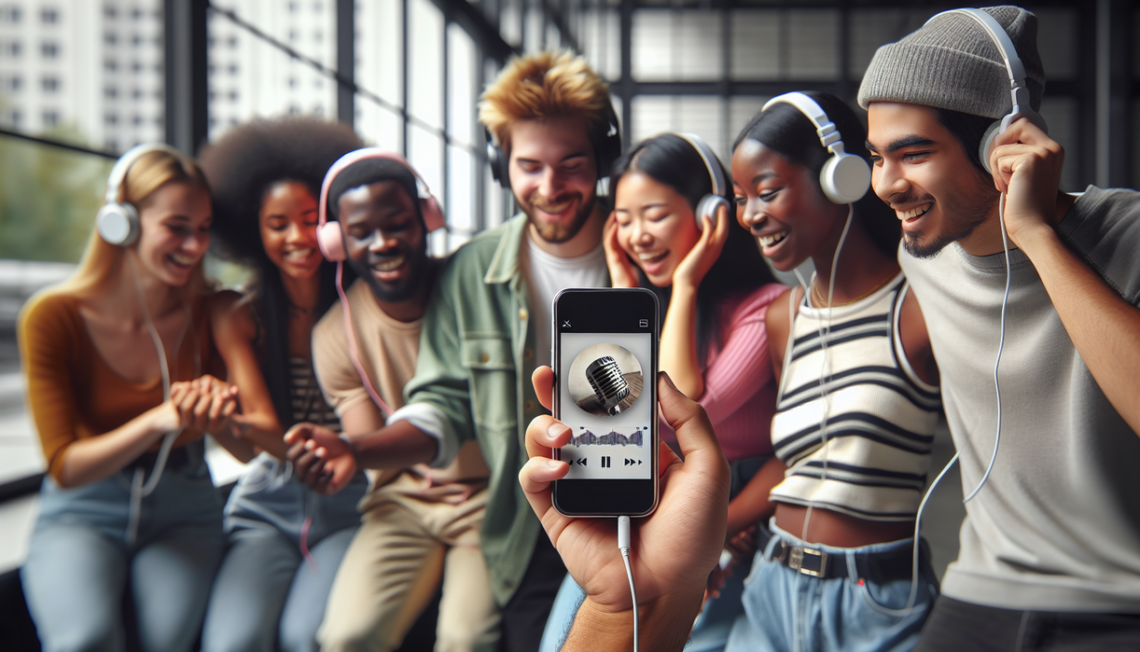
www.silkfaw.com – Listening activity Spotify just introduced for 2026 could change how friends experience music together. Real-time sharing now moves from passive playlists to live, social moments. Instead of trading links or screenshots, you can watch someone’s current track appear instantly, react on the spot, then jump into the same queue. Music consumption starts to resemble a digital hangout, not a solitary routine with headphones.
Spotify’s new tools, Listening Activity and Request to Jam, target the gap between personal taste and shared discovery. These features push listening activity Spotify into social territory usually owned by group chats and live streams. Listeners can now create small collective spaces around songs, moods, or events, forging an ambient sense of togetherness even when everyone sits miles apart.
How Listening Activity Spotify Redefines Social Audio
Listening activity Spotify previously functioned as a side panel many users ignored. It showed what friends played recently, yet rarely felt truly live. With this 2026 overhaul, the concept shifts toward continuous presence. You see tracks update moment by moment, almost like a music timeline. That stream of updates can anchor conversations, inside Spotify or through other apps, because everyone shares the same reference point: what just played.
This changes the emotional texture of listening. When you know a close friend is looping a breakup ballad or blasting a victory anthem after work, their mood becomes more visible. Listening activity Spotify starts to behave like a subtle mood ring for your social circle. Used carefully, this can nurture empathy. Friends understand each other’s states without long explanations, simply by glimpsing what flows through their headphones.
There is also a discovery upside. Traditional discovery tools rely on algorithms that analyze behavior at scale. Real-time listening activity Spotify adds a human filter. If several friends gravitate toward a new artist at once, curiosity spikes naturally. Recommendations feel organic, not forced by a faceless system. The social graph becomes a living playlist editor, curating through authentic daily choices rather than formal recommendations.
Request to Jam: Turning Passive Streams into Live Sessions
Request to Jam represents the second pillar of this launch. Instead of one person silently curating with others following later, users can now ask to join a live session. Request approval instantly syncs playback, so every listener hears the same track, same moment. Listening activity Spotify thus shifts away from isolated timelines toward synchronized gatherings. The experience feels closer to a small private radio show hosted by a friend.
This has big implications for hangouts, long-distance relationships, or remote work teams. Picture weekly listening clubs where coworkers decompress after deadlines, or couples separated by geography who still share nightly albums. Request to Jam leverages listening activity Spotify data to surface ongoing sessions from friends. You can spot an active jam, ping the host, then slide into the queue with shared control or suggest tracks through requests.
From my perspective, this nudges Spotify into territory once reserved for live streaming platforms. However, the vibe remains more intimate. Instead of broadcasting to hundreds, you curate tight circles where every participant has context. Listening activity Spotify already knows your shared favorites, skipped songs, late‑night habits. Request to Jam layers a live ritual onto that history, turning data into bonding rather than just recommendation fuel.
Privacy, Control, and the Future of Social Listening
Of course, deeper listening activity Spotify tools also raise new questions about privacy and control. Users need granular options to hide sessions, filter who sees current tracks, or limit requests during focus time. If Spotify balances visibility with strong controls, these features could mark a genuine shift toward healthier digital socializing. Instead of doom‑scrolling through endless feeds, people might choose small audio rooms anchored by shared taste. I see an opportunity for more intentional connections: fewer empty likes, more conversations sparked by a single verse or beat. Listening activity Spotify, reimagined as live presence rather than static history, can remind us that music still works best as a communal language, even inside our most personal playlists.