 0
0
 0
0
www.silkfaw.com – Rivian finished 2024 on a high note, posting record EV sales and deliveries that briefly turned skeptics into believers. Investors cheered, early adopters felt validated, and the company looked ready to move beyond the startup survival phase. Then the federal EV tax credit disappeared for many buyers, and Rivian’s sales momentum stalled just when scale mattered most. Instead of a clean glide path to profitability, the company entered 2025 juggling slower demand, higher borrowing costs, and louder questions about its long‑term future.
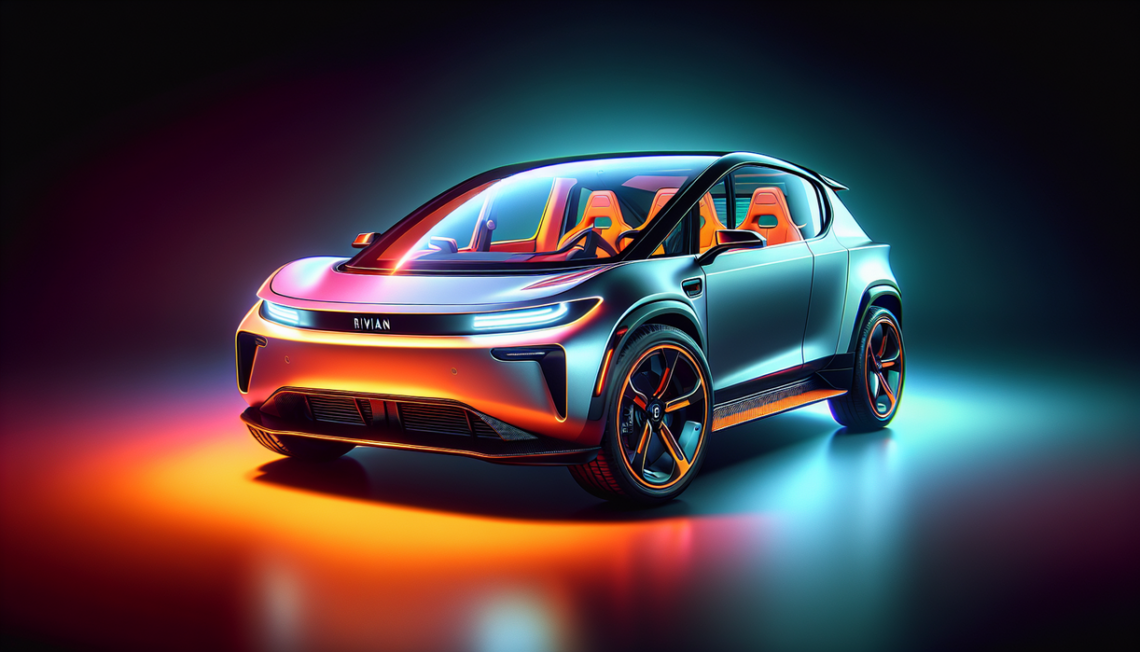
Now Rivian’s hopes rest heavily on the upcoming R2, a smaller, more affordable SUV positioned to relight sales growth. The R2 is not only another model; it is Rivian’s attempt to leap from niche adventure brand to mainstream competitor. If the R2 can convert curiosity into sustained sales without heavy subsidies, Rivian may prove it can thrive in a tougher EV landscape. If it cannot, 2024’s delivery records will look more like a peak than a stepping stone.
How The EV Tax Credit Shocked Rivian Sales
Rivian’s early sales story relied on a simple formula: high‑end electric trucks and SUVs selling to affluent enthusiasts who loved performance as much as sustainability. Many of those buyers benefitted from federal tax credits, which softened the sting of premium price tags. Once large portions of those incentives expired or became harder to claim, the total cost of ownership rose overnight. For a brand still building trust, the timing could hardly have been worse. Potential customers delayed purchases, downgraded plans, or shifted toward cheaper competitors.
Sales performance reflects psychology as much as math. When customers sense a better deal disappearing, some rush to buy before the deadline, which can lift short‑term sales. Yet that surge often pulls forward demand, leaving a vacuum after incentives disappear. Rivian’s 2024 delivery record fits that pattern. The company benefited from a final push before credits faded, then had to navigate a quieter order pipeline just as factories were set up for higher volume. The mismatch between production capacity and incoming orders suddenly became glaring.
The tax credit’s end also exposed another pressure point: pricing power. Legacy automakers with broader portfolios can use gasoline models to offset thinner EV margins. Tesla can juggle prices quickly to spark sales spikes. Rivian, narrower and younger, has less room for aggressive discounting without burning too much cash. It must find a pricing sweet spot where sales rise steadily yet margins do not collapse. Losing a federal subsidy forced Rivian to confront that balancing act earlier than it probably hoped.
Why The R2 Matters So Much For Future Sales
The R2 sits at the heart of Rivian’s next chapter because it aims squarely at a larger, more price‑sensitive audience. The R1T truck and R1S SUV carved out a heroic image but remained expensive toys for many households. By contrast, the R2 promises a lower entry price, smaller footprint, and wider appeal. If Rivian executes well, sales of the R2 could outnumber R1 series sales by a large margin, shifting revenue from niche luxury to semi‑mainstream volume. That volume matters for lowering unit costs, smoothing cash flow, and funding future models.
From a product strategy perspective, the R2 must walk a tightrope. It needs to stay true to Rivian’s adventure‑oriented identity yet avoid feeling like a stripped‑down sibling. Buyers who might skip the R1S for budget reasons still expect credible range, robust charging support, and modern software. If Rivian nails those basics while preserving its playful design language, the R2 could generate repeat sales from current owners and attract first‑timers. Fail to deliver, and it risks becoming just another compact EV crowded into a segment dominated by legacy brands.
My view is that R2 sales will serve as the most transparent referendum on Rivian’s brand strength. Early adopters forgave panel gaps, app glitches, and service growing pains because they believed in the vision. The R2 buyer base will be less patient and more price conscious. Strong R2 sales numbers would show that Rivian’s story resonates beyond enthusiasts, hinting at Tesla‑like network effects where every vehicle on the road markets the next sale. Weak uptake would instead validate bears who claim the company is a stylish niche player, not a long‑term volume contender.
Can Rivian Reignite Sustainable Sales Growth?
Looking ahead, Rivian’s fate hinges on whether the R2 can unlock reliable sales growth without heavy dependence on fleeting subsidies. The company must refine manufacturing to cut costs, negotiate smarter supplier deals, and keep software compelling so existing owners stay loyal. It also needs to lobby intelligently for future policy support while avoiding the trap of building a business model on incentives alone. My personal read is cautiously optimistic: Rivian has a distinctive brand, genuine engineering talent, and a product roadmap anchored by the R2 that could attract steady sales over time. Still, the margin for error is slim. If the R2 fails to convert buzz into real‑world sales, the company will face harsher funding conditions, tougher competition, and fewer chances to pivot. The next few years will reveal whether Rivian’s record 2024 was a preview of durable growth or a fleeting high before a long plateau.