 0
0
 0
0
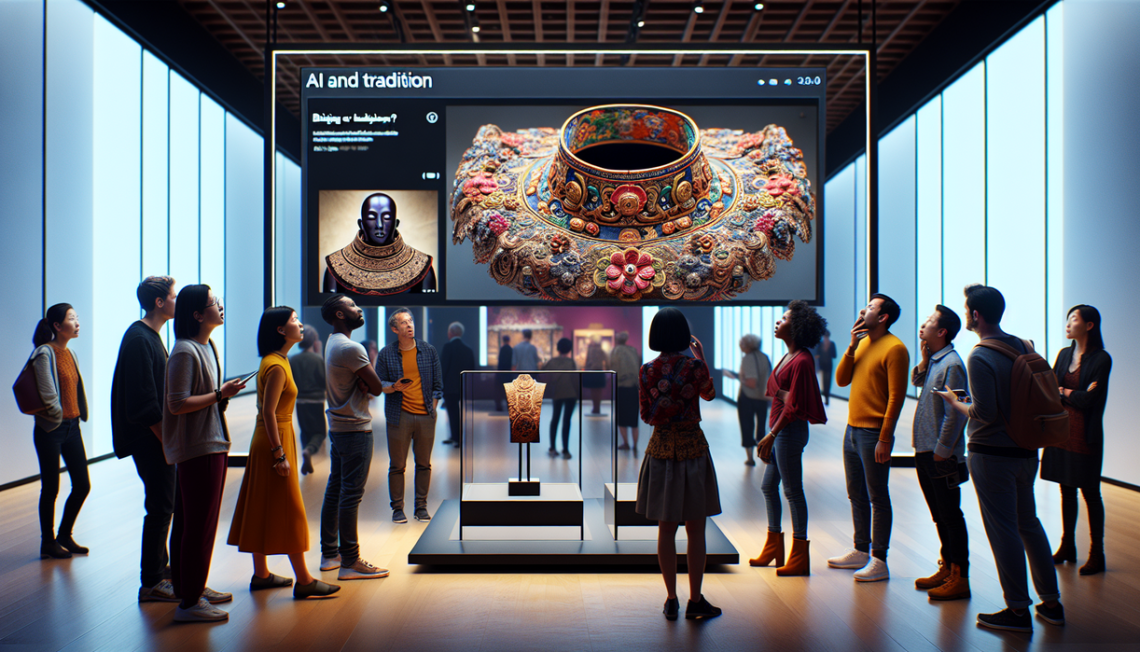
www.silkfaw.com – The recent controversy at the Denver Art Museum reveals how fragile content context has become in the age of artificial intelligence. A single AI-generated label next to a traditional Tibetan collar triggered a wave of frustration from visitors, igniting arguments over authenticity, cultural sensitivity, and the invisible power of words on walls. What was meant as an interpretive tool instead exposed a widening gap between curators, technology, and public expectations.
This uproar did not come from the artwork itself but from the context that framed it. When museum-goers realized the label was created with AI, many felt deceived. Others saw it as lazy or even disrespectful to Tibetan culture. The institution quickly removed the text, but the debate around content context, authorship, and responsibility is only getting louder.
Why Content Context Matters More Than Ever
Museums have always shaped meaning through content context. A brief caption can transform a ceremonial object into a sacred artifact or reduce it to a decorative trinket. Visitors rarely question who writes these labels, yet they rely on them to understand what they see. When that interpretive voice shifts from human expertise to an algorithm, the trust relationship changes immediately.
In this case, the Tibetan collar label carried more weight than a simple description. It mediated between a living culture and audiences who might know very little about Tibetan history or spiritual practice. AI-generated text, no matter how polished, lacks lived experience. Without careful oversight, it can flatten nuance, blend sources in clumsy ways, or skip crucial context that respects cultural origins and meanings.
The museum’s removal of the label shows how sensitive visitors are to these shifts in content context. They do not simply read text; they feel the implied authority behind it. When that authority feels artificial, people question not only the words but the institution’s ethics. If a museum uses AI to speak about marginalized cultures, does it risk repeating the same extractive habits it claims to be correcting?
The Collision of AI, Culture, and Curatorial Work
The Denver episode illustrates how AI tools collide with curatorial practice at a very practical level. Labels often require research, collaboration with communities, and internal debate. Generative AI shortens this process dramatically. A curator can get a draft label in seconds. Yet that speed creates danger, especially when content context touches on colonization, religion, or identity. A text that seems neutral on screen can feel deeply off once installed beside sacred objects.
Another problem lies in the training data behind these AI systems. Large language models pull from vast public sources that already contain stereotypes, romanticized myths, and skewed histories. When a museum uses AI to write about Tibetan heritage, those distortions can reappear in subtle ways. Phrases might echo travel brochures, spiritual tourism blogs, or outdated scholarship instead of community voices. Visitors sense something is wrong, even if they cannot point to a specific sentence.
Curators must therefore treat AI as a draft assistant, not a surrogate for human accountability. Responsible use of AI requires rigorous editing, consultation with cultural stakeholders, and transparent labeling. Content context should reveal who shaped the narrative and how. Without that transparency, AI turns from tool into ghostwriter, creating a fragile illusion of expertise that can shatter with a single visitor complaint.
Content Context, Trust, and the Future of Museums
My view is that the real issue at Denver is not technology itself but the erosion of trust around content context. Museums can use AI thoughtfully, yet they must admit when they do so, especially for culturally sensitive objects. Imagine labels that clearly state: “This text was drafted with AI and revised by curators and community advisors.” Such honesty shifts focus from efficiency to ethics. When institutions embrace dialogue instead of hiding tools, they invite visitors into the process of meaning-making. The Denver Art Museum’s misstep should become a catalyst for new standards: community collaboration, transparent authorship, and deeper reflection on who has the right to interpret cultural heritage. In the end, every label is a promise, not just a description. Breaking that promise reminds us that context is not decoration around art; it is part of the art experience itself, a moral space where technology must serve human dignity, not replace it.