 0
0
 0
0
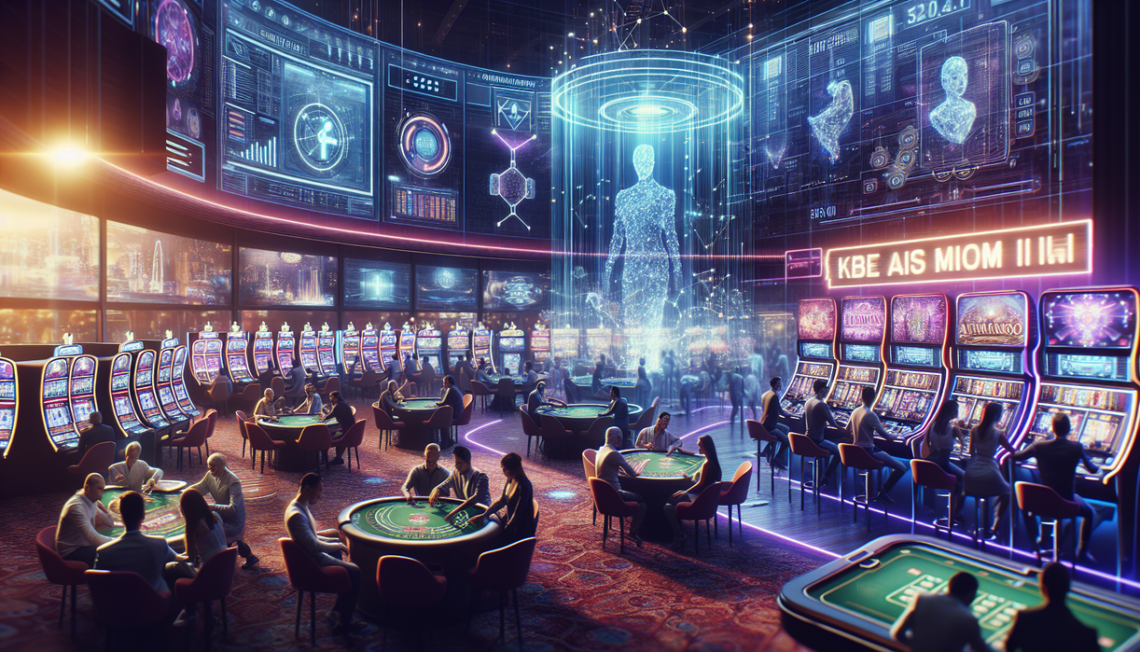
www.silkfaw.com – As artificial intelligence quietly rewrites how games are built, the meaning of content context in regulated gaming has never been more critical. From online slots to virtual sportsbooks, algorithms now generate visuals, story beats, and even odds displays, blurring lines between human creativity and machine assistance. This rapid shift offers dazzling efficiency, yet it also opens a labyrinth of copyright questions that the law still struggles to answer.
For studios, regulators, and players, the heart of the debate is control. Who owns AI‑generated content when no single artist drew the symbols or wrote the lines? How does content context shape legal responsibility when automated systems remix vast datasets? Understanding these questions is becoming essential for anyone hoping to build, license, or even just enjoy the next wave of gaming experiences.
Content Context: The New Battleground of Creativity
Copyright disputes in gaming once focused on clear assets: character models, music tracks, and source code. Now, content context takes center stage. It covers where assets originate, how training data was assembled, and what prompts guided AI tools. Two environments can share identical visuals, yet legal risks differ sharply if one used licensed data while the other scraped material without permission. Context, not just output, drives ownership debates.
Regulated gaming faces extra scrutiny because money flows through every spin, hand, or bet. Authorities care not only about fair play but also about legal provenance of each visual or text element. If a slot reel includes icons suggested by a generative model trained on unlicensed artwork, regulators may view the whole product as tainted. Here, content context becomes proof of compliance instead of a mere creative detail.
Studios that document how AI systems behave gain a strategic advantage. By logging prompts, version histories, datasets, and human review steps, they create a traceable map of content context. This record can help resolve disputes, reassure platform partners, and support licensing negotiations. In a future filled with automated tools, meticulous context tracking might be as valuable as the assets themselves.
Who Owns AI-Generated Game Assets?
Courts in several jurisdictions increasingly suggest that pure machine output may lack traditional copyright protection. Without human authorship, AI artwork or text might fall into a gray zone close to public domain. For gaming companies, this unsettles expectations. If nobody owns the raw output, competitors could potentially reuse similar content context or mimic entire visual styles without direct infringement, provided they avoid protected branding.
To counter this, many studios adopt a hybrid approach. Designers craft prompts, curate datasets, and refine AI results through detailed editing. That human involvement anchors claims of creative authorship. Content context again becomes decisive. A regulator or judge will ask: Did humans make meaningful choices, or did they merely click “generate” and accept the first image? The difference can separate protectable art from unguarded noise.
This shift forces legal teams to rethink contracts with artists, vendors, and AI providers. Agreements must address who controls training data, who may reuse generated assets, and how liability flows if an AI system accidentally recreates copyrighted material. Clarity around content context prevents blame being pushed endlessly between developer, model provider, and third‑party platform whenever a dispute appears.
Regulators, Licensing, and the Stakes for Gambling Platforms
Regulated gaming operates under intense oversight because every graphic, sound, or line of copy may shape player behavior. When AI creates bonus animations or designs team logos shown beside odds, licensing bodies need assurance that content context respects both copyright and responsible‑gaming rules. A bookmaker using AI‑generated images resembling real sports leagues without clear rights could face costly sanctions, even if designers never intended close imitation. In practice, platforms must build governance frameworks for prompts, datasets, and review workflows. They need policies that distinguish inspiration from infringement, while also monitoring bias or manipulative patterns in AI‑produced promotional material. My perspective: the sector should treat governance of content context not as a legal box‑ticking exercise but as core infrastructure, just like payments security. Transparent datasets, auditable logs, and human review may appear burdensome now, yet they will likely become minimum conditions for long‑term trust.
AI Workflows Reshaping Slots, Casino Games, and Sportsbooks
Across the gaming spectrum, AI tools now influence everything from concept art to live odds displays. For slot games, they draft theme ideas, generate symbol sets, and assist with background scenes. For casino tables, they help design layouts and dealer avatars. Sportsbooks increasingly rely on automated systems to format statistics, craft betting snippets, and customize offers. Each of these tasks carries distinct content context challenges and potential copyright exposure.
Consider a studio using AI art to design a fantasy slot. If its training data quietly included popular card game illustrations, some generated symbols may resemble existing intellectual property more than intended. Even if similarities emerge accidentally, copyright holders might still claim that the content context relied on their works. The resulting dispute could affect not only a single game, but also the certification of the provider across multiple regions.
Sports betting introduces subtler issues. Many operators want dynamic widgets that adjust visuals and copy instantly based on live events. AI systems might compose short descriptions of current matches or generate mascot‑style icons for teams. If these tools draw from historical broadcasts, fan art, or branded material, the line between fair reference and infringement becomes thin. Responsible operators must map that content context carefully before scaling such features.
Risk, Reward, and the Emerging Compliance Playbook
Despite legal ambiguity, few studios intend to step away from AI. The economic incentives are overwhelming: faster ideation, lower production costs, and near‑infinite variation. The real question is not whether AI belongs in gaming, but how teams can balance creative speed with solid control of content context. To remain competitive, companies develop internal “playbooks” that guide when AI is suitable for a task and when traditional methods remain safer.
These playbooks increasingly resemble detailed compliance manuals. They might require specific training sources, forbid scraping unlicensed media, or demand that lawyers review high‑visibility imagery. For some tasks, such as placeholder concepts or internal mockups, risk stays low. For marketing banners, core symbols, or recognizable characters, tolerance shrinks. The intent is not to erase experimentation but to anchor each decision in documented context.
From my standpoint, teams should treat AI not as a mysterious co‑author but as an advanced tool supervised by human judgment. That mindset clarifies responsibility. Product owners remain accountable for ensuring that content context meets legal and ethical standards. AI becomes part of the pipeline, not the scapegoat. Over time, this approach can also guide regulators, who will likely respect organizations that show disciplined self‑governance.
Transparency, Player Trust, and the Future of Creative Rights
Beyond courtrooms and compliance checklists, the question of content context shapes player trust. Many users already wonder which parts of their favorite titles came from human hands and which from models trained on vast, opaque datasets. Regulated operators have an opportunity to differentiate by embracing measured transparency. Clear disclosures about AI‑assisted graphics or text, combined with firm commitments to respect original creators, can signal respect for both law and culture. My view is that the future of gaming creativity rests on a delicate balance: leverage AI to expand worlds, yet maintain strong, human‑centered stewardship of rights. If the industry can honor that balance, AI will not merely generate assets. It will help build richer, fairer ecosystems where innovation and ownership can evolve together.